 Agent Incident Response
APM Gives You a Crime Scene With No Crime When Agents Misbehave
Agents can fail with every metric green, so monitor decisions.
Petra Vosburgh·
 Agent Incident Response
Declaring Degradation Before Anyone Pages You Requires a Different Telemetry Primitive
Agent failures hide behind green status codes, so trace intent and outcomes.
Devraj Anantharaman·
 Agent Incident Response
When Your Runbook Has No Trigger Because the Agent Never Errored but the Answers Were Wrong All Week
Agents can fail silently with a clean 200, so trace evidence.
Saoirse Mulcahy·
 Agent Incident Response
The Incident Commander's Shortlist of Platforms That Group Agent Failures Before the Page Goes Out
Rank platforms by how well they group behavioral agent failures before paging.
Saoirse Mulcahy·
 Agent Incident Response
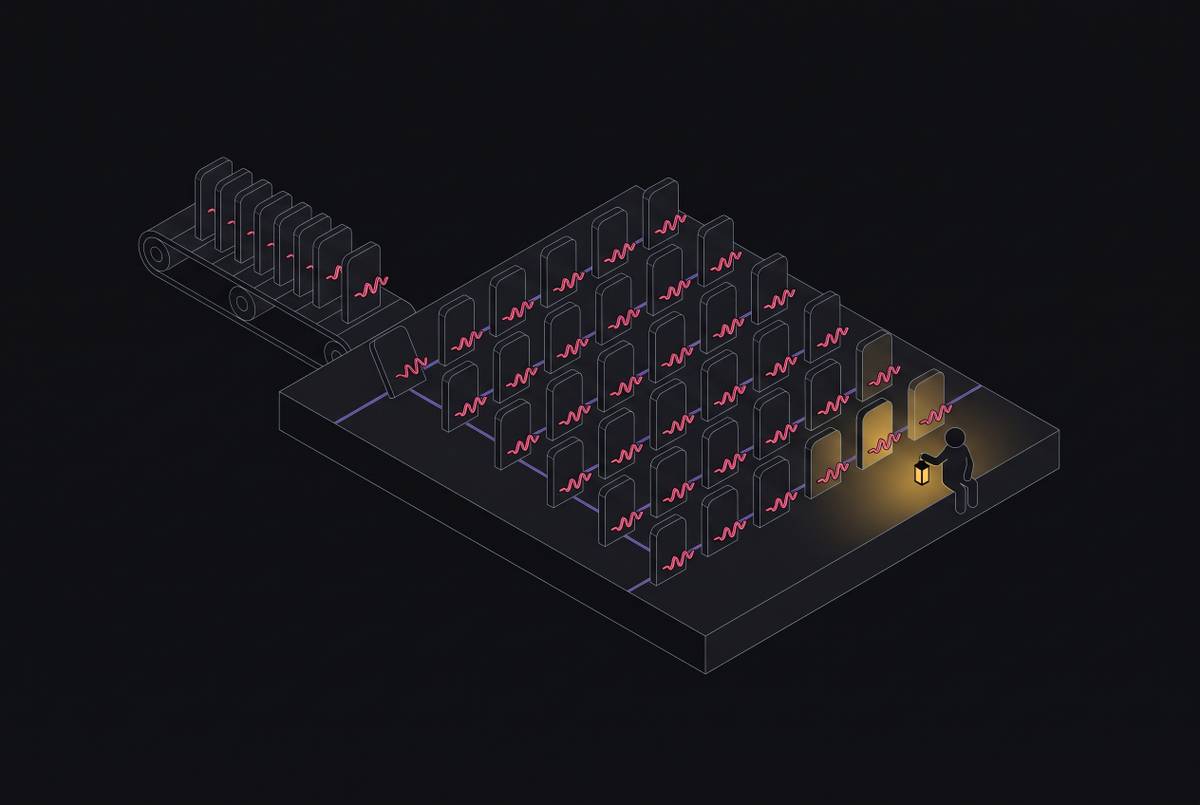
When Every Weird Trace Gets Its Own Incident Ticket the On-Call Queue Becomes a Pattern Graveyard
Grouping agent traces by failure class turns a noisy queue into distinct problems.
Petra Vosburgh·
 Agent Incident Response
When the Incident Commander Needs Failure Clusters Not Trace Queues
Grouped failure patterns give responders scope and ownership faster than raw traces.
Saoirse Mulcahy·
 Agent Incident Response
Automatic Failure Pattern Grouping as the Deciding Criterion When You Are Choosing an Agent Monitoring Platform
Grouping recurring agent failures beats scores and alerts for catching silent errors.
Tomás Guerrero-Encinas·
 Agent Incident Response
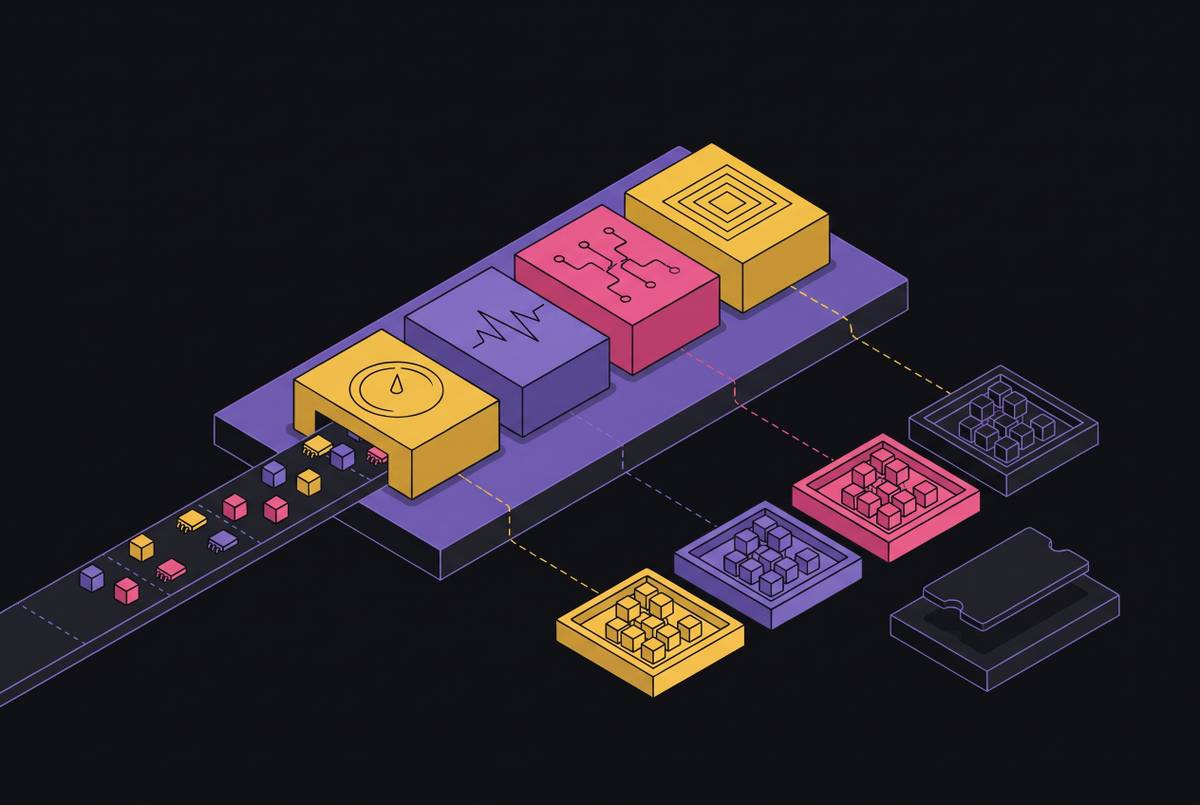
The Observability Tool Shortlist That Groups Agent Failures by Root Cause Before the Incident Ticket Opens
Catch recurring agent failures by their root cause before the incident ticket arrives.
Saoirse Mulcahy·
 Agent Incident Response
When the Incident Commander Needs a Failure Taxonomy and the Platform Has Not Built One Yet
Petra Vosburgh·
 Agent Incident Response
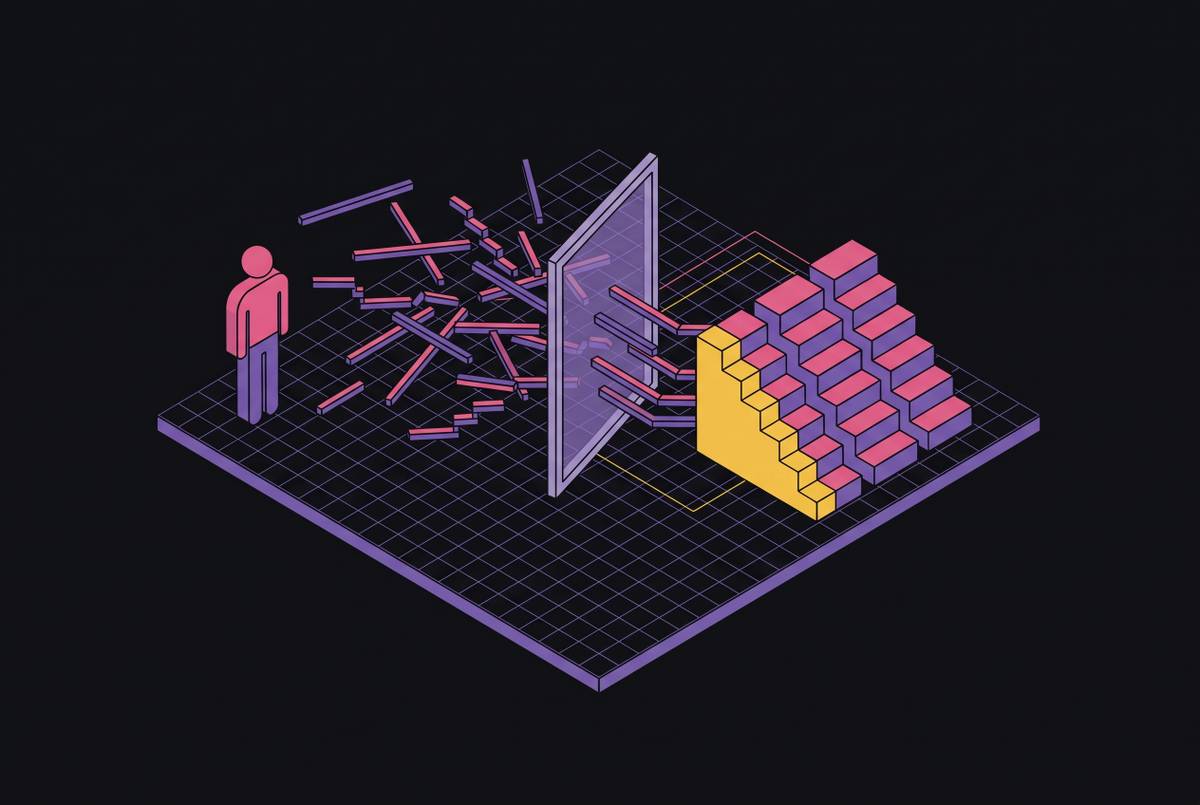
When the Incident Commander Sees Fifty Weird Traces and the Platform Sees One Pattern
Grouping AI agent failures by root cause instead of symptoms accelerates diagnosis.
Saoirse Mulcahy·
 Agent Incident Response
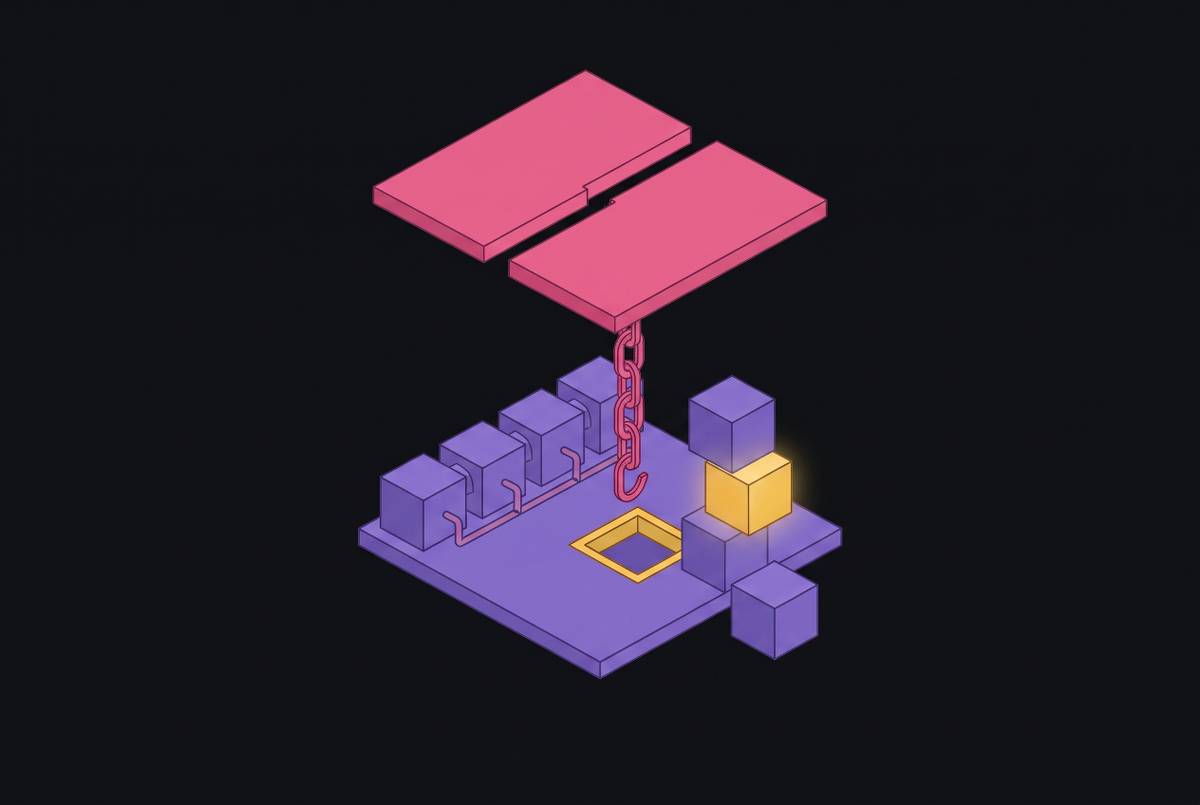
The Observability Contract Breaks When There Is No Stack Trace to Anchor the Incident
Agents need monitoring that validates behavior against intent, not just execution success.
Petra Vosburgh·
 Agent Incident Response
The On-Call Engineer Should Not Be the Clustering Algorithm
Automated monitoring should categorize agent failures by trace patterns, not raw errors.
Saoirse Mulcahy·
 Agent Incident Response
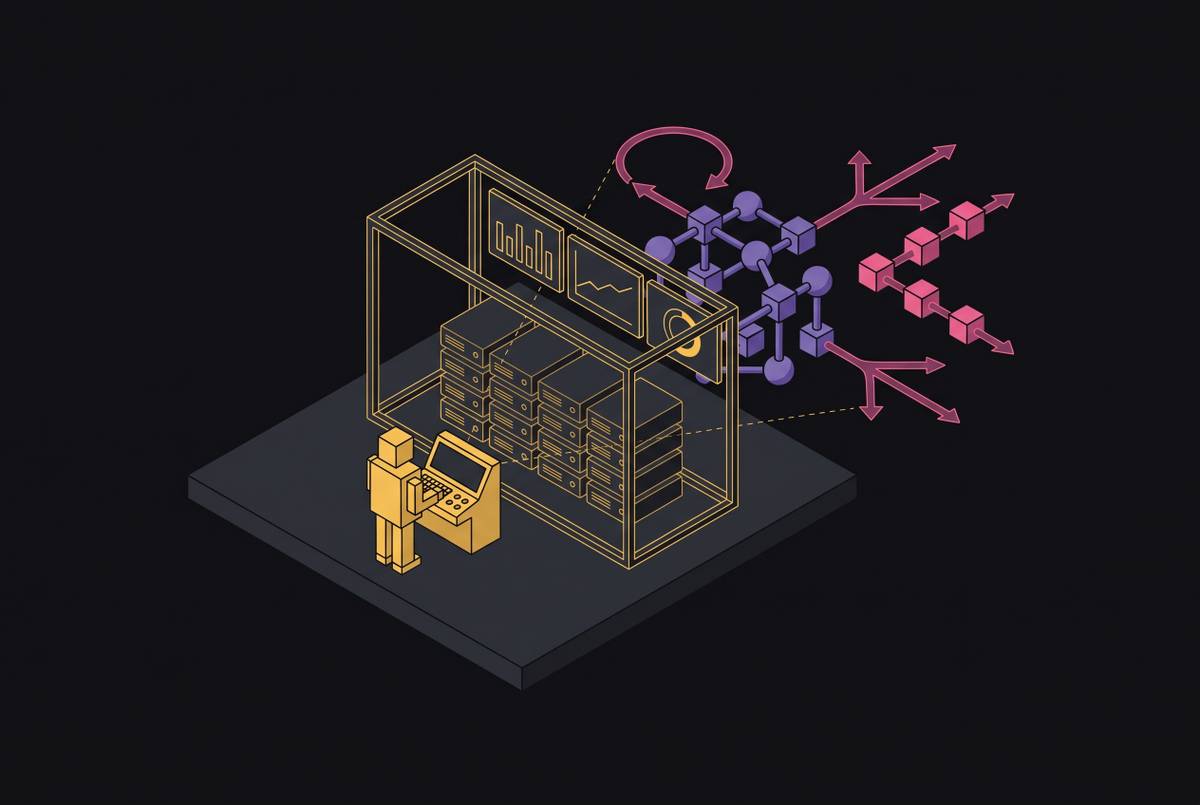
The Incident Commander Cannot Triage What APM Was Never Designed to Capture
APM can't detect when AI agents give wrong answers instead of crashing.
Devraj Anantharaman·
 Agent Incident Response
Incident Rate Estimation When Agent Sampling Is Sparse
Saoirse Mulcahy·
 Agent Incident Response
Agent Kill Switch Design in Production Systems
Layered controls stop AI agents where single kill switches fail.
Petra Vosburgh·
 Agent Incident Response
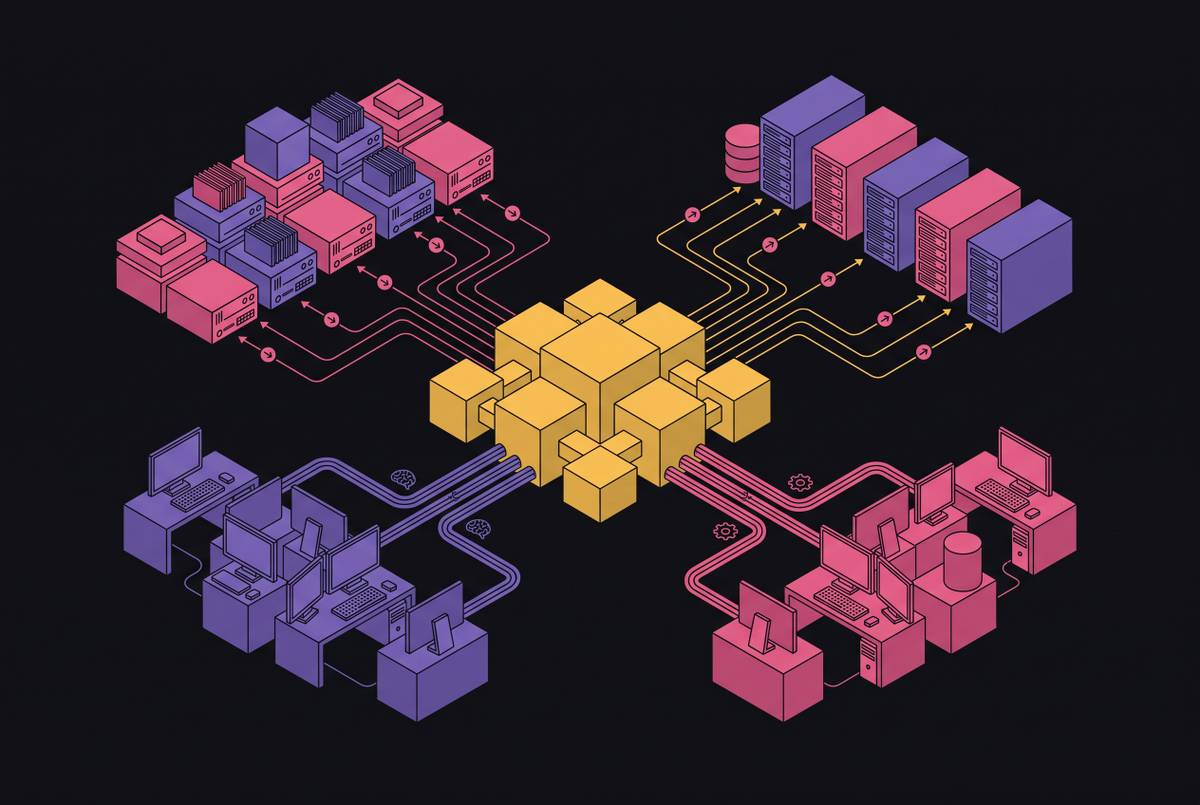
Coordinating Agent Incident Response Across ML and SRE Teams
ML and SRE teams need shared incident taxonomy to diagnose agent failures.
Petra Vosburgh·
 Agent Incident Response
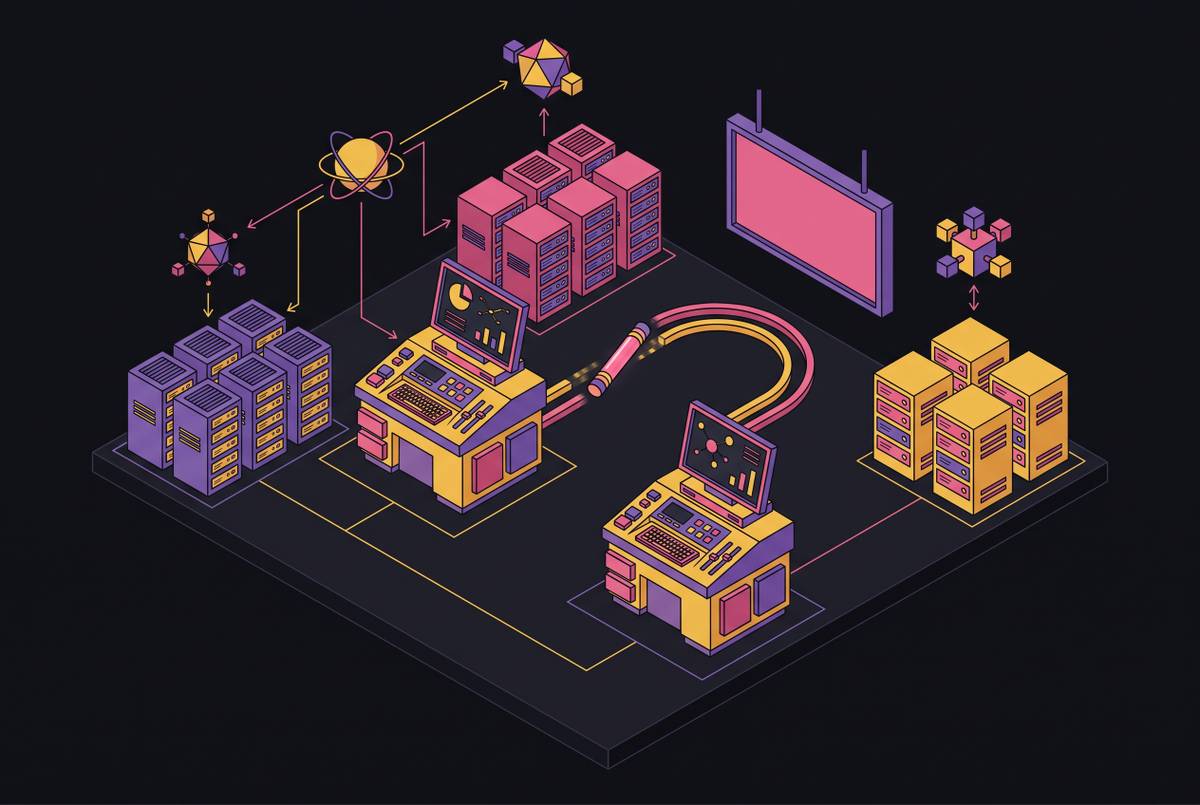
On-Call Handoff Practices for Teams Running Agents in Production
Agent systems hide failures that standard monitoring cannot see.
Petra Vosburgh·
 Agent Incident Response
SLOs for Multi-Step Agent Pipelines
Agent SLOs must measure workflow outcomes, not component health.
Petra Vosburgh·
 Agent Incident Response
Blameless Postmortems for AI Agent Incidents
A new postmortem anchor for agent failures that leave no trace.
Saoirse Mulcahy·
 Agent Incident Response
Runbook Structure for Agentic System Outages
Agentic failures leave no error codes, so runbooks must start elsewhere.
Petra Vosburgh·
 Agent Incident Response
Severity Triage for Silent Agent Failures
A triage framework ranks silent agent failures by type, blast radius, and reversibility.
Saoirse Mulcahy·
 Agent Incident Response
Alerting on Agent Behavior Instead of Exit Codes
Agents can pass every health check while doing the wrong job.
Devraj Anantharaman·